Approximately one in four Americans aged 65 and older are socially isolated (NAP). This isolation presents significant health risks, including premature mortality, poor mental health, high blood pressure, and obesity. Social isolation is linked with a 50% increase in dementia, higher risks of stroke, and, in some cases, even suicide (CDC).
We have the unique opportunity to help identify, limit, and alleviate the adverse effects of social isolation on the aging population. But how?
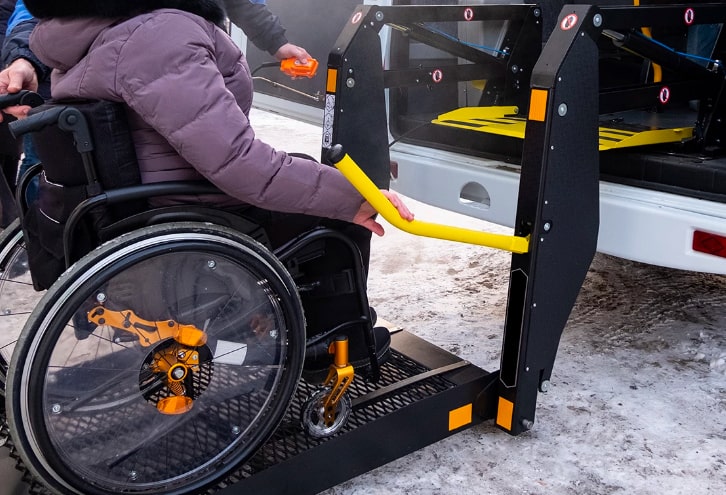 Wheelchairs can be liberating or they can be aggravating. For people who are in need of a mechanism for movement, wheelchairs offer a range of mobility options that can have people on the go again. The various styles and designs in which wheelchairs are made can make choosing the correct device for your needs overwhelming. Finding the right wheelchair for your needs will enable you to lessen the hassle and achieve maximum function.
As
Wheelchairs can be liberating or they can be aggravating. For people who are in need of a mechanism for movement, wheelchairs offer a range of mobility options that can have people on the go again. The various styles and designs in which wheelchairs are made can make choosing the correct device for your needs overwhelming. Finding the right wheelchair for your needs will enable you to lessen the hassle and achieve maximum function.
As 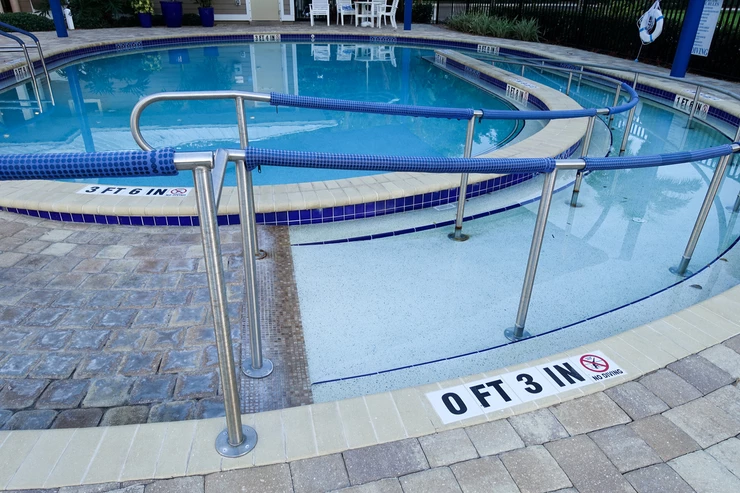 At Thrive for Life, we’re all about helping customers to age in place, as they experience what it’s like to live at home in their later years. Many people really desire to stay on their property rather than moving to a retirement community, and we help to make that happen.
If a senior happens to have a pool on the premises, there’s no reason they can’t outfit this amenity for enhanced access so that they can continue to use it. Today we’ll talk about some aspects of making pools accessible for those with mobility restrictions and other kinds of limitations.
Here are some key ways to add ADA access for a pool.
Pool Stairs and Ramps
One way to help with this kind of access is to re-engineer the entrances to a pool in the form of pool stairs and ramps. Some out-of-the-box pool stairs are very narrow, and not very easy to navigate for anyone. They’re halfway dangerous!
When it comes to convenient and safe access for the mobility impaired, a ramp is the gold standard. A ramp with a rail provides that level of safety that you need to enjoy your pool confidently as you age. It’s also more convenient for most pool-goers.
Lifts
Pool lifts can be another way to get
At Thrive for Life, we’re all about helping customers to age in place, as they experience what it’s like to live at home in their later years. Many people really desire to stay on their property rather than moving to a retirement community, and we help to make that happen.
If a senior happens to have a pool on the premises, there’s no reason they can’t outfit this amenity for enhanced access so that they can continue to use it. Today we’ll talk about some aspects of making pools accessible for those with mobility restrictions and other kinds of limitations.
Here are some key ways to add ADA access for a pool.
Pool Stairs and Ramps
One way to help with this kind of access is to re-engineer the entrances to a pool in the form of pool stairs and ramps. Some out-of-the-box pool stairs are very narrow, and not very easy to navigate for anyone. They’re halfway dangerous!
When it comes to convenient and safe access for the mobility impaired, a ramp is the gold standard. A ramp with a rail provides that level of safety that you need to enjoy your pool confidently as you age. It’s also more convenient for most pool-goers.
Lifts
Pool lifts can be another way to get 
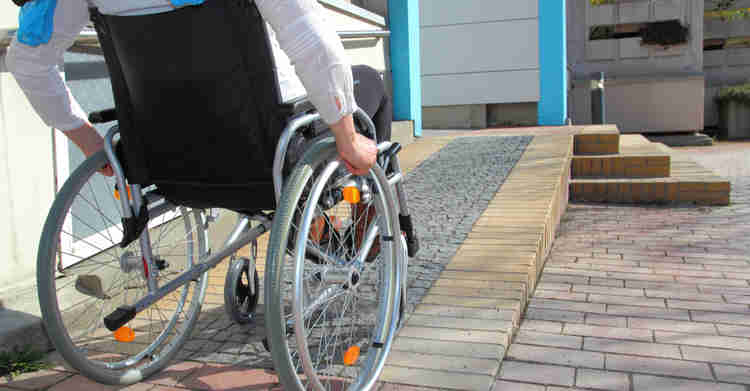 At Thrive for Life, we understand the importance of fall prevention for seniors who wish to age comfortably in their homes. Falls are a serious concern, with 3 million falls reported annually by the CDC. Of these, 300,000 cases result in hip fractures—a major cause of long-term disability.
Our mission is to provide families with the tools, resources, and personalized care needed to ensure their loved ones remain safe. Each individual has their own unique needs, and we work hard to develop customized solutions for fall prevention.
At Thrive for Life, we understand the importance of fall prevention for seniors who wish to age comfortably in their homes. Falls are a serious concern, with 3 million falls reported annually by the CDC. Of these, 300,000 cases result in hip fractures—a major cause of long-term disability.
Our mission is to provide families with the tools, resources, and personalized care needed to ensure their loved ones remain safe. Each individual has their own unique needs, and we work hard to develop customized solutions for fall prevention.

