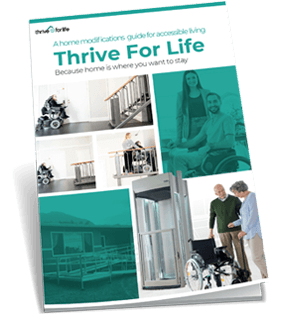
Watch Thrive for Life Hawaii client testimonial (2 minutes, 24 seconds; published in 2018).
This archive video shares an individual client’s experience. Each person and home needs its own assessment, and another person’s results may differ.
In our twilight years, the home becomes more than just a place of comfort—it transforms into a sanctuary of safety, independence, and quality of life. For senior citizens, creating an accessible environment is crucial in supporting their aging-in-place journey. Home modifications for seniors, whether they are simple fixtures like grab bars or substantial renovations like wheelchair ramps, are investments in maintaining independence and enhancing the overall well-being. Today, let’s dive into the manifold benefits of accessible homes and why ‘Thrive for Life Accessibility Specialists’ should be your trusted partner in this mission.

The Imperative for Accessibility: Safety, Comfort, and Independence
The need for accessibility in homes for seniors cannot be overstated. CDC reports that over a quarter of adults aged 65 or older fall each year. Discuss fall concerns and potential home changes with the assessment team.
Start by discussing the everyday tasks that are difficult, the routes used through the home and the help available. The team can then consider which layout changes, equipment or modifications belong in the plan.

Examples of Accessible Home Modifications
The term “home modifications” is all-encompassing. They range from simple, cost-effective changes to more elaborate renovations that require a substantial budget.
Here are some examples:
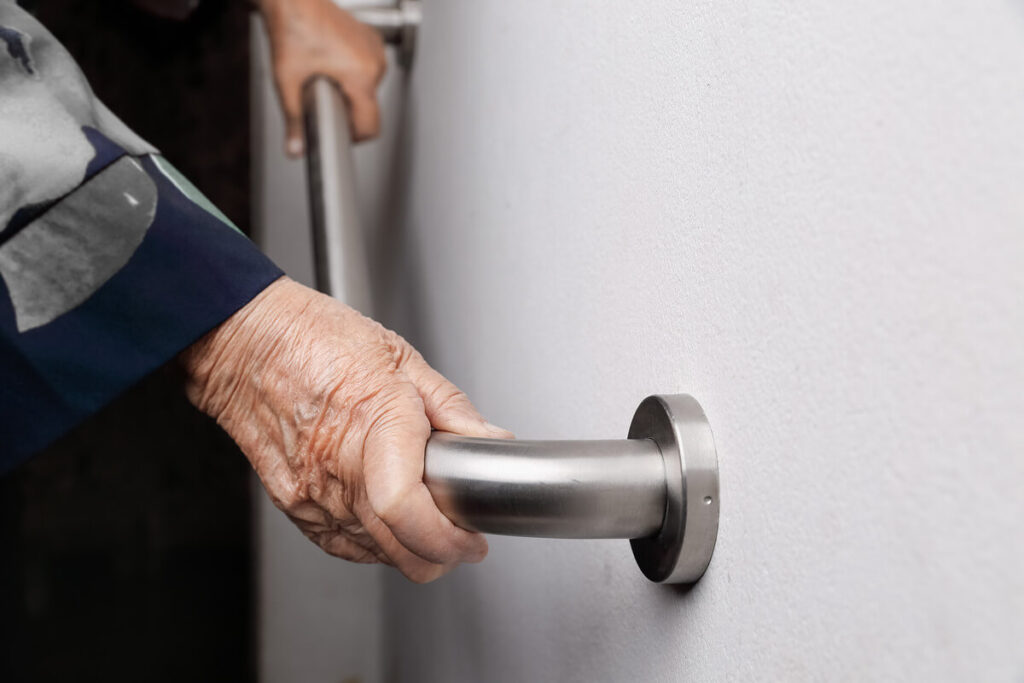
- Grab bars: Discuss whether support is needed, where it would be used and how it would be fixed.

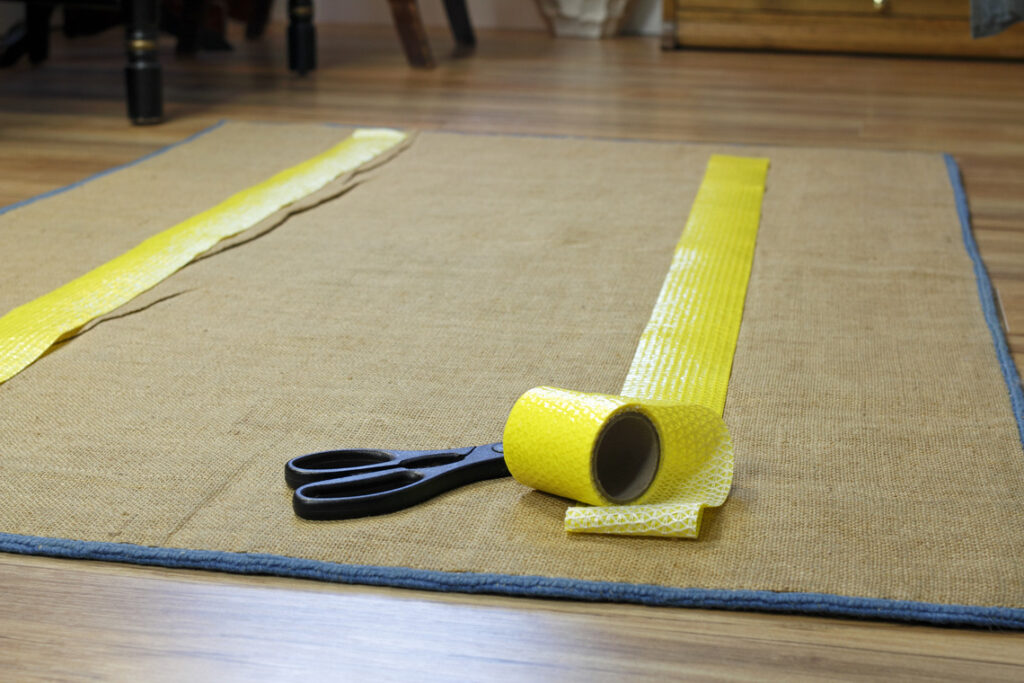
- Floor surfaces: Review loose rugs, transitions and traction as part of the individual home assessment.
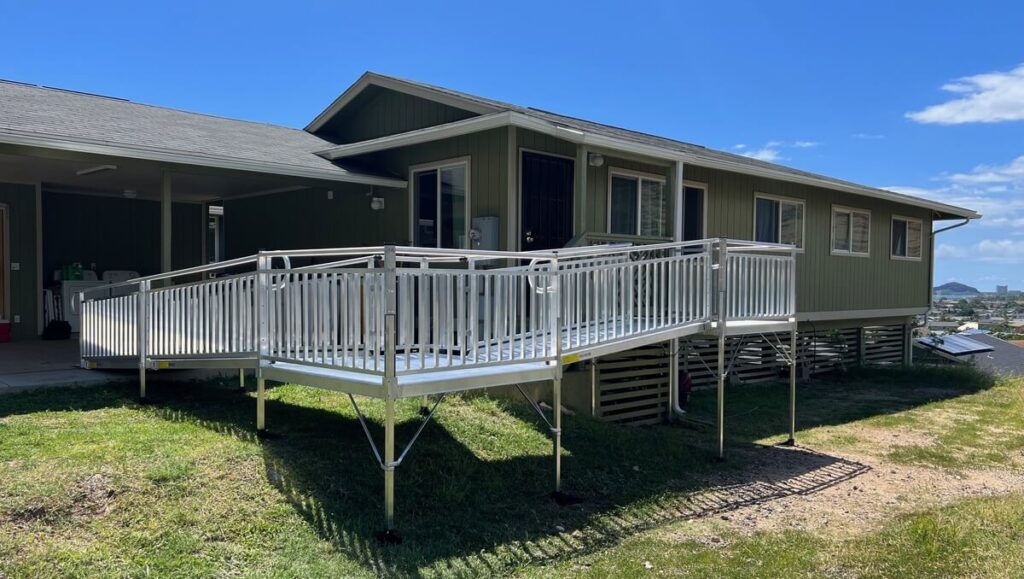
- Ramps and lifts: Review the full route, mobility equipment, transfers and installation scope before selecting equipment.

- Shower changes: Review entry, transfers, seating, controls, drainage and caregiver access as part of the bathroom plan.

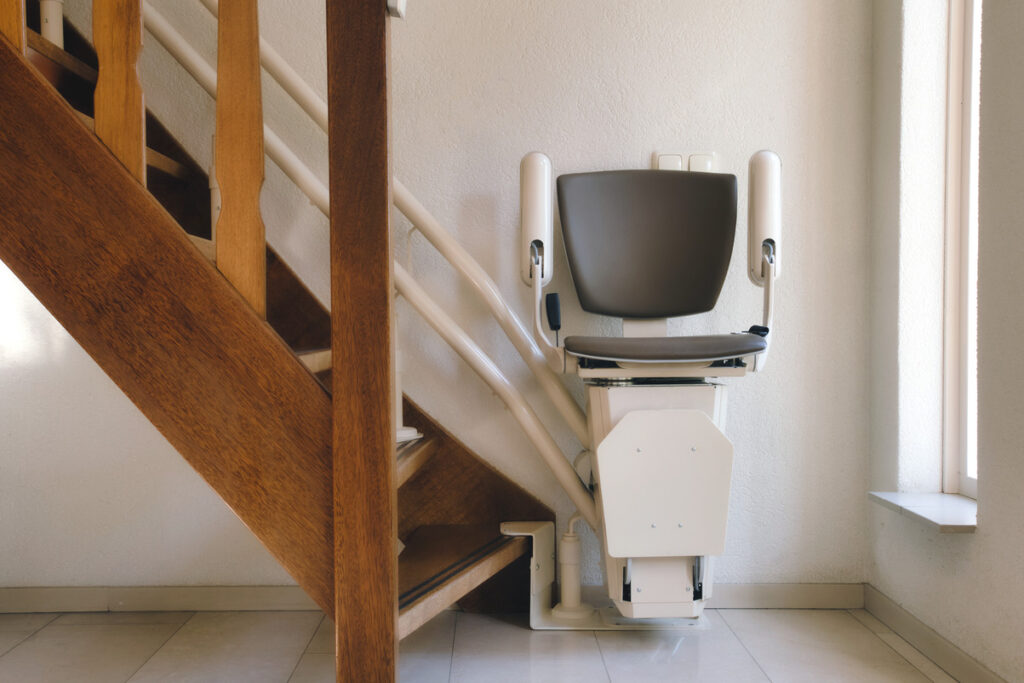
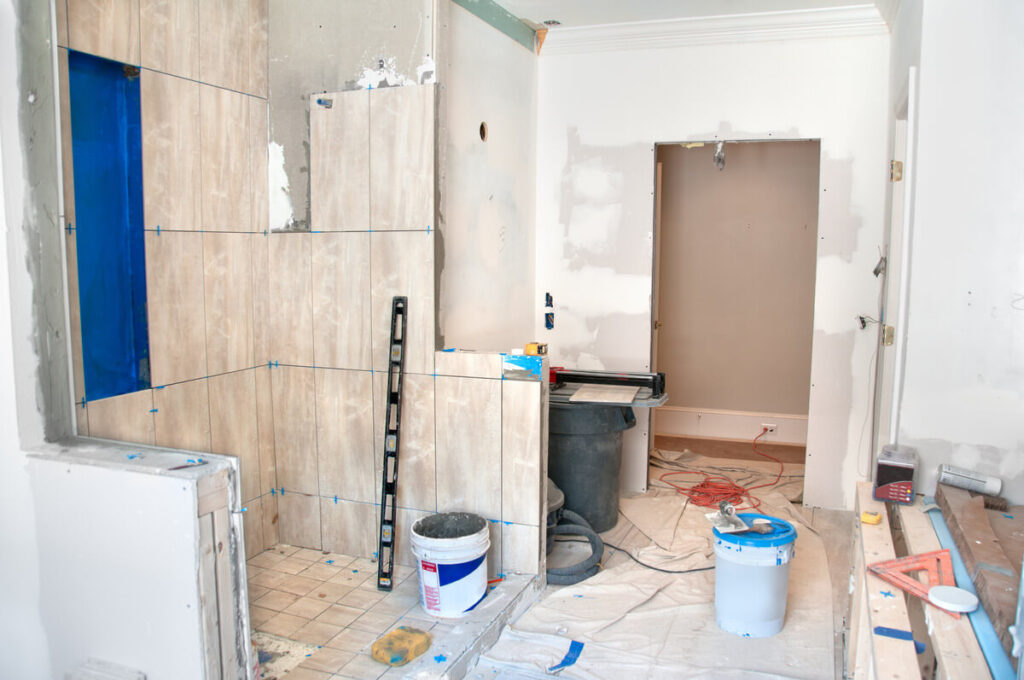
The appropriate combination of changes depends on the person and the home.
Plan Around the Person and the Home
Home modifications should be considered in the context of the person’s daily activities, mobility equipment, caregiver support and home environment. Thrive for Life’s recommendations begin with those individual needs. Discuss the goals, options and scope with the assessment team before deciding on a change.
Thrive For Life Accessibility Specialists: Your Partner in Senior Home Modifications
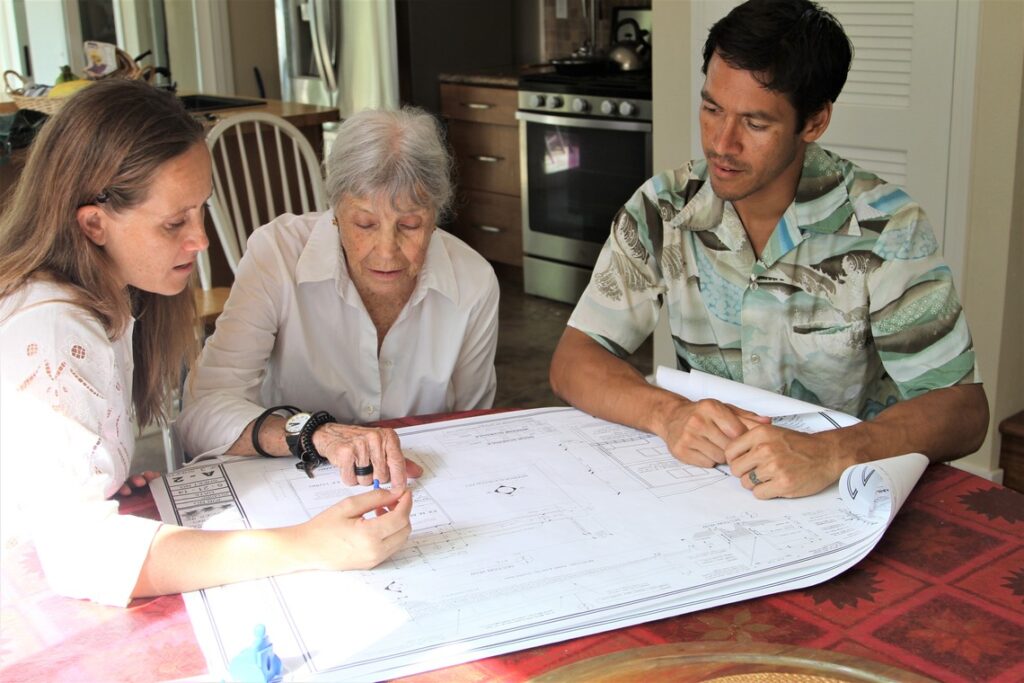
With a plethora of options available, making the right choice can be overwhelming. At Thrive for Life, we’re committed to making your aging-in-place journey as seamless as possible. Our team of experts offers personalized consultations to assess your needs and design modifications that optimize your home’s accessibility.
Conclusion: Making the Right Choice for Independence
Investing in accessible home modifications for seniors is a proactive step toward preserving their independence, safety, and comfort. Remember, the goal isn’t just to age, but to thrive for life.
Take the first step by contacting Thrive for Life about a free home accessibility consultation. Let’s work together to create a home that supports your independence, enhances your safety, and improves your quality of life.